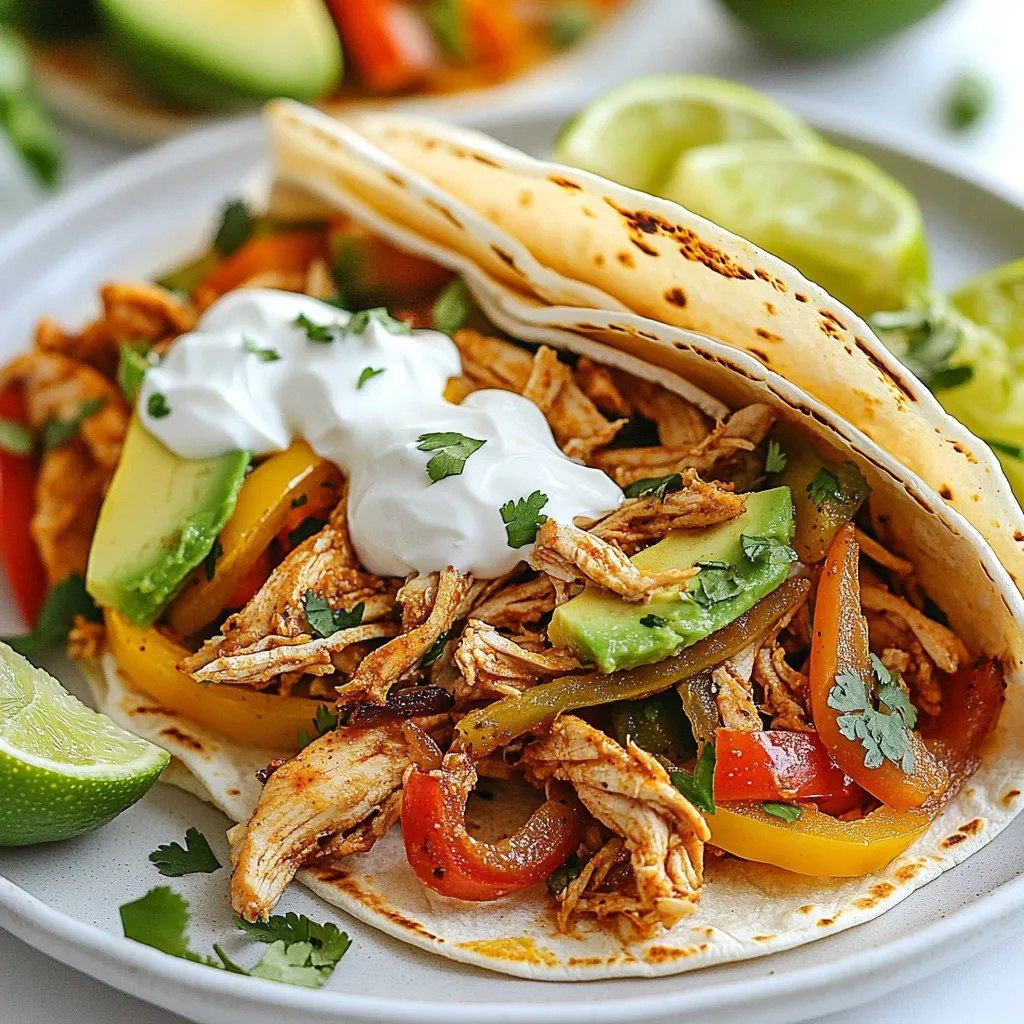
Craving a simple yet tasty meal? Look no further! My Easy Crockpot Fajitas bring bold flavors to your table with minimal effort. Whether you prefer chicken, beef, or a vegetarian twist, I’ll guide you through every step. From selecting fresh ingredients to serving with delicious toppings, you’ll impress your family without spending hours in the kitchen. Let’s make mealtime fun and flavorful!
Why I Love This Recipe
- Easy Preparation: This recipe requires minimal prep work, making it perfect for busy weeknights.
- Flavorful Results: The combination of spices and fresh ingredients creates a delicious and aromatic dish that everyone will love.
- Versatile Serving: These fajitas can be customized with a variety of toppings, allowing everyone to make their own perfect bite.
- Slow-Cooked Goodness: The crockpot method ensures that the meat is incredibly tender and infused with flavor, making it a true crowd-pleaser.
Ingredients
Main Ingredients
– 2 lbs boneless skinless chicken breasts or beef strips, sliced
– 2 bell peppers (one red, one yellow), sliced into thin strips
– 1 large onion, sliced into half-moons
– 3 cloves garlic, finely minced
– 1 can (14 oz) diced tomatoes with green chilies, undrained
For the main ingredients, you can choose between chicken or beef. Both work well in a crockpot. Bell peppers add sweetness and color. The onion adds depth. Garlic gives a nice kick. Diced tomatoes bring moisture and flavor.
Fajita Seasoning
– 2 tablespoons fajita seasoning (store-bought or homemade)
– Additional spices (like cumin or paprika)
Fajita seasoning is key for flavor. You can buy it or make your own. If you want, add cumin or paprika for more taste. Homemade seasoning can be fun and easy. Just mix chili powder, cumin, garlic powder, and salt.
Optional Toppings
– Diced avocado
– Sour cream
– Shredded cheese
– Fresh cilantro
– Lime wedges
Toppings make your fajitas special. Diced avocado adds creaminess. Sour cream cools the spice. Shredded cheese melts beautifully. Fresh cilantro gives a fresh taste. Lime wedges add a burst of zest. Use these toppings to make your meal even better!

Step-by-Step Instructions
Prep the Protein
Start by slicing your chicken or beef into thin strips. Thin pieces cook faster and stay juicy. If you use chicken, cut it to about half an inch thick. For beef, make sure the strips are even for best results.
Create the Base Layer
Next, layer the sliced bell peppers and onion in the bottom of the crockpot. Use one red and one yellow bell pepper for a pop of color. This layer adds flavor and sweetness. Spread the veggies evenly to help them cook well.
Mix the Flavoring
In a small bowl, combine minced garlic, the can of diced tomatoes with green chilies, fajita seasoning, olive oil, and a pinch of salt and pepper. Mix it well. This sauce adds a lot of flavor. Pour the mixture over the meat and veggies in the crockpot.
Cooking Time
Cover your crockpot and set it to cook. You can choose low for 6-8 hours or high for 4 hours. Both options will make the meat tender. The cooking time depends on your schedule.
Shred for Flavors
When cooking is done, use two forks to shred the chicken or beef in the crockpot. Mix it with the veggies and sauce for a burst of flavor. This step helps to blend all the tastes together perfectly.
Assemble Your Fajitas
To serve, spoon the fajita mix onto warmed tortillas. Add toppings like diced avocado, sour cream, shredded cheese, fresh cilantro, and a squeeze of lime juice. This allows everyone to create their own delicious fajitas.
Tips & Tricks
Achieving Maximum Flavor
To boost flavor, consider marinating your protein. A simple mix of lime juice, garlic, and spices works great. Let it sit for at least 30 minutes. For layering, start with the sliced bell peppers and onion at the bottom. This adds moisture and flavor as they cook.
Cooking Tips
To ensure even cooking, cut your protein into thin, uniform strips. This helps them cook at the same rate. If you use different cuts, adjust cook times. For tough cuts, like flank steak, you may need a bit more time.
Presentation Tips
For a stunning display, arrange the fajita mix on a large platter. This makes it easy for guests to serve themselves. Serve optional toppings in small bowls on the side. Diced avocado, sour cream, and cilantro add color and taste. A side of fresh salsa or pico de gallo brightens up the table, too!
Pro Tips
- Marinate for Extra Flavor: For even more flavorful chicken or beef, consider marinating the protein in your fajita seasoning and a bit of lime juice for a few hours or overnight before cooking.
- Vegetable Variations: Feel free to add other vegetables like zucchini, mushrooms, or corn to the mix for added texture and flavor.
- Serving Suggestions: Serve your fajitas with a side of Mexican rice or black beans for a hearty meal that complements the flavors.
- Leftover Magic: Use any leftover fajita mixture as a filling for quesadillas, burritos, or on top of a salad for a quick next-day meal.
Variations
Vegetarian Option
You can easily make these fajitas vegetarian. Use tofu or tempeh instead of meat. First, press the tofu to remove extra water. Cut it into thin strips like the chicken or beef. Tempeh can also be sliced thinly. This gives a great texture and absorbs flavors well.
Different Proteins
Try different proteins for new tastes. Pork works well in fajitas. Slice pork tenderloin into thin strips. Shrimp is another tasty option. Just peel and devein the shrimp. Cook shrimp for a shorter time, about 2 to 3 hours on low. Both variations keep the meal fun and exciting.
Flavor Enhancements
Add spices to boost flavor. Try cumin or smoked paprika for a smoky taste. You can also toss in some lime juice for brightness. Fresh herbs like cilantro can add a fresh kick. Don’t be afraid to mix and match spices. Experiment to find what you love best!
Storage Info
Refrigeration
After you enjoy your meal, store any leftovers in an airtight container. This helps keep the fajitas fresh. Place the container in the fridge. They will stay good for about 3-4 days. When ready to eat, just take them out and reheat.
Freezing Tips
If you want to save some for later, you can freeze the fajita mix. Start by letting it cool completely. Then, pack it in a freezer-safe bag or container. Try to remove as much air as you can. This will help prevent freezer burn. The fajitas can last in the freezer for up to 3 months.
Reheating Instructions
When you want to enjoy your fajitas again, you can reheat them in two ways: the microwave or the stovetop.
– Microwave: Place your fajitas in a microwave-safe bowl. Cover it with a damp paper towel to keep moisture in. Heat in 30-second intervals until warm.
– Stovetop: Add the fajitas to a skillet over medium heat. Stir often until they are heated through. This method keeps them juicy and flavorful.
FAQs
Can I use frozen chicken or beef?
Yes, you can use frozen chicken or beef. Just note that frozen meat takes longer to cook. If you use frozen meat, add about 1-2 hours to your cook time. This means cook on low for 8-10 hours or high for 5-6 hours. Always check the meat’s temperature to make sure it is safe to eat.
How do I make fajitas spicier?
To spice up your fajitas, add some hot sauce or diced jalapeños. You can also mix in extra chili powder or cayenne pepper. If you like a smoky flavor, try adding smoked paprika. Adjust the heat to match your taste. Start with a little, and add more if you want it hotter.
What type of tortillas are best?
Both corn and flour tortillas are great for fajitas. Corn tortillas are gluten-free and have a nice texture. They can be a bit firmer. Flour tortillas are soft and easy to wrap, making them popular. Choose based on your preference. If you want a lighter taste, go with corn. For a more filling option, choose flour.
Can I cook fajitas on the stovetop?
Yes, you can cook fajitas on the stovetop. Start by heating a pan over medium heat. Add some olive oil, then sauté sliced onions and bell peppers until soft. Next, add your sliced meat and cook until done. This method takes about 15-20 minutes. Serve with warmed tortillas and your favorite toppings.
You learned how to make delicious fajitas from scratch. We covered the ingredients, like chicken, bell peppers, and spices. Then, I shared step-by-step instructions to cook them perfectly. We also explored tips for flavor and presentation, different variations, and storage methods.
You can enjoy fajitas your way, whether you prefer meat or vegetarian. Now it’s time to get cooking. Enjoy making and sharing your tasty fajita