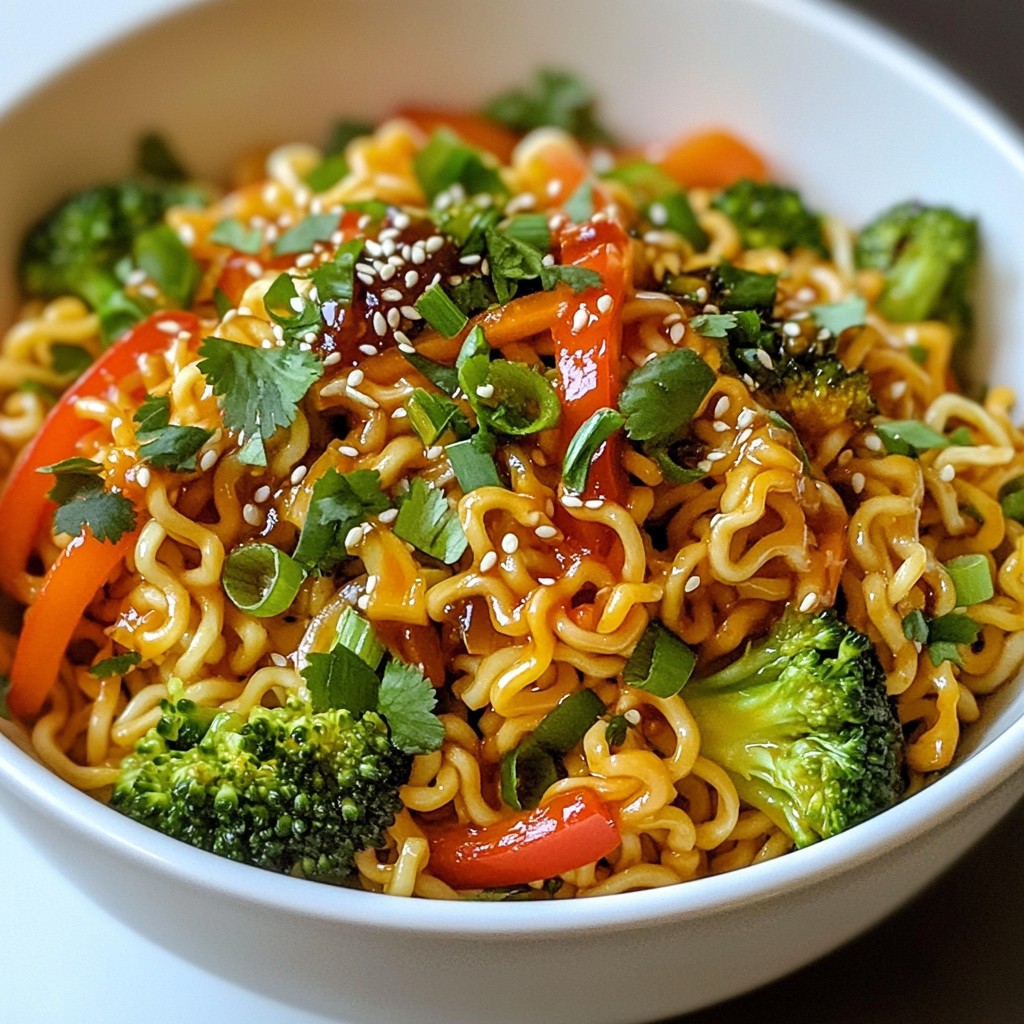

Are you ready to dive into a bowl of warmth and flavor? My Vegan Thai Coconut Curry Soup is both tasty and simple to make. This dish bursts with fresh ingredients and rich spices, giving you a comforting meal in no time. I’ll guide you through every step, from key ingredients to serving tips. Let’s make a delicious soup that you and your family will love. Ready to cook?
Why I Love This Recipe
- Deliciously Creamy: This soup features a rich, velvety texture from the full-fat coconut milk, making each spoonful a comforting delight.
- Vibrant Vegetables: The combination of sweet potato, broccoli, and snap peas adds color and nutrition, ensuring it’s as good for you as it is tasty.
- Easy to Make: With simple ingredients and quick prep time, this recipe is perfect for weeknight dinners or casual get-togethers.
- Customizable Flavor: You can easily adjust the spice level or swap in your favorite vegetables to make this soup your own.
Ingredients
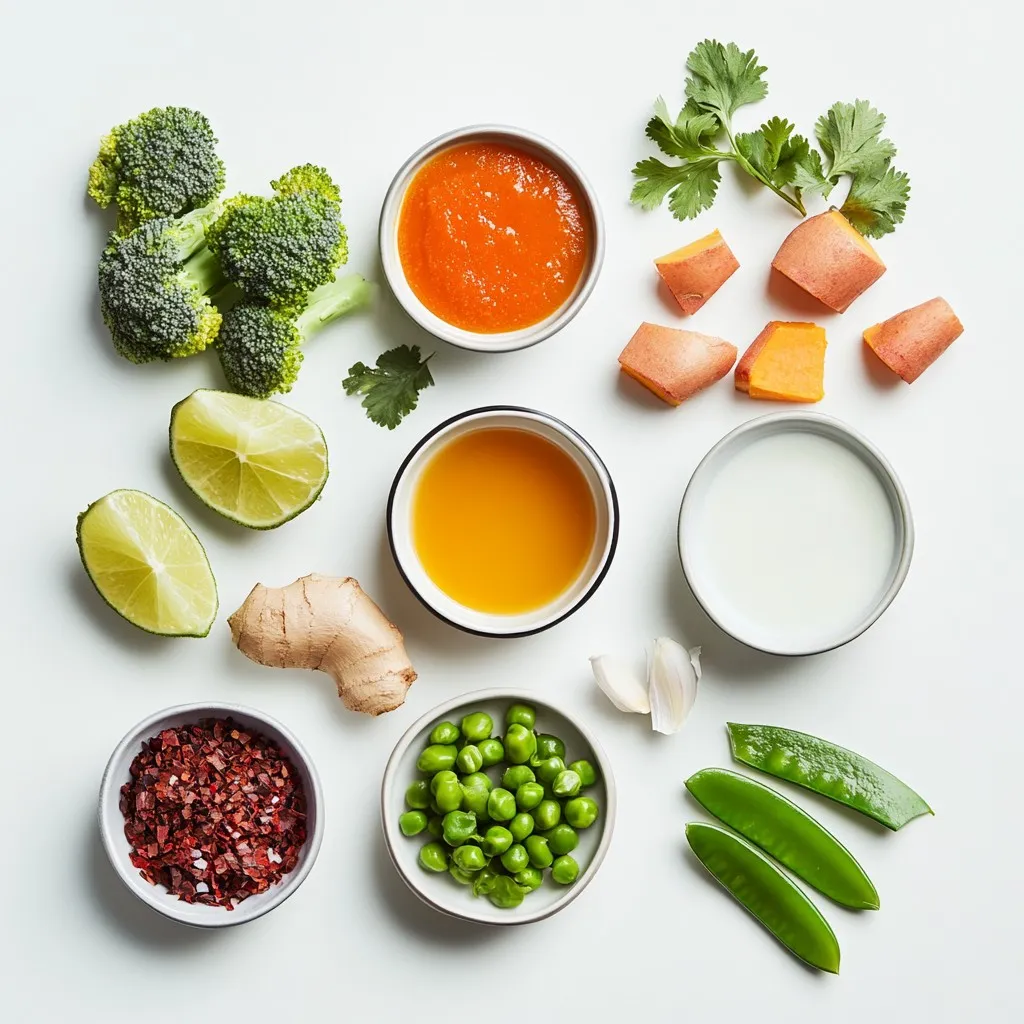
Essential Ingredients for Vegan Thai Coconut Curry Soup
To make this soup, you need simple yet flavorful ingredients. Here’s a list of what you’ll need:
– 1 tablespoon coconut oil
– 1 onion, finely chopped
– 3 cloves garlic, minced
– 1 tablespoon fresh ginger, minced
– 2 tablespoons red curry paste
– 1 can (400ml) full-fat coconut milk
– 4 cups vegetable broth
– 1 tablespoon soy sauce (or tamari for a gluten-free option)
– 1 tablespoon fresh lime juice
– 1 medium sweet potato, peeled and diced into bite-sized cubes
– 1 cup broccoli florets
– 1 cup snap peas, trimmed
– 1 red bell pepper, sliced into thin strips
– Fresh cilantro, finely chopped, for garnish
– Lime wedges, for serving
– Sea salt and freshly ground black pepper, to taste
Each ingredient brings its own unique flavor. Coconut oil adds richness, while ginger and garlic provide warmth. The red curry paste gives the soup a spicy kick.
Tips for Selecting Fresh Produce
When picking your veggies, look for bright colors and firm textures. For sweet potatoes, choose ones that feel heavy for their size. They should have smooth skin without any blemishes. Fresh broccoli should have a vibrant green color and tight florets. Snap peas should be crisp, with a tender feel. For bell peppers, look for ones without wrinkles or soft spots.
Substitute Options for Allergies or Preferences
If you have allergies or preferences, there are easy swaps. For coconut milk, you can use almond milk or cashew cream for a lighter option. If you are allergic to soy, try using coconut aminos instead of soy sauce. For a different protein, you can add tofu or chickpeas. If you prefer different vegetables, zucchini or spinach can work well in this soup.
Step-by-Step Instructions
Preparation Step-by-Step Guide
1. Gather all your ingredients first. This makes cooking easy and fun.
2. Chop the onion finely. Mince the garlic and ginger. This prep helps the flavors blend.
3. Peel and dice the sweet potato into small cubes. This ensures even cooking.
4. Cut the broccoli into florets, trim the snap peas, and slice the red bell pepper into thin strips. Having them ready makes cooking smooth.
Cooking Method and Timing
1. Heat 1 tablespoon of coconut oil in a large pot over medium heat.
2. Add the chopped onion and sauté for about 5 minutes. You want it soft and clear.
3. Stir in the minced garlic and ginger. Cook for about 1 minute until fragrant.
4. Mix in 2 tablespoons of red curry paste. Stir well and cook for another minute.
5. Pour in 1 can of full-fat coconut milk and 4 cups of vegetable broth. Stir to combine.
6. Bring the mixture to a gentle boil. Once boiling, add the diced sweet potato.
7. Reduce the heat to low and simmer for about 10 minutes. The sweet potato should be soft.
8. Add the broccoli florets, snap peas, and red bell pepper. Cook for another 5 minutes. They should stay bright and crunchy.
9. Stir in 1 tablespoon of soy sauce and 1 tablespoon of fresh lime juice. Season with salt and pepper to taste.
10. Remove the pot from heat. Let it sit for a few minutes to mix the flavors.
Tips for Ensuring Perfect Texture and Flavor
– Keep an eye on the cooking time. Overcooked veggies lose their crunch.
– Taste as you cook. Adjust salt and lime juice for your liking.
– Use fresh spices. They add a much richer flavor to your soup.
– Let the soup rest before serving. This helps the flavors blend well.
Enjoy making this soup! It’s simple and packed with flavor.
Tips & Tricks
Best Practices for Perfecting Your Curry Soup
To make the best vegan Thai coconut curry soup, follow these key tips:
– Use fresh ingredients. Fresh produce enhances the soup’s taste. Look for bright and firm veggies.
– Don’t rush the sauté. Cook the onion, garlic, and ginger slowly. This builds flavor and aroma.
– Balance flavors. Taste as you go. Adjust lime juice, salt, and soy sauce for your liking.
– Watch the cooking time. Keep an eye on the sweet potatoes. They should be tender but not mushy.
Serving Suggestions to Enhance the Dish
Presenting your soup well makes it even more enjoyable. Here are some ideas:
– Garnish with cilantro. Fresh cilantro adds color and a burst of flavor.
– Serve with lime wedges. A squeeze of lime brightens the soup and balances the richness.
– Use deep bowls. These help keep your soup hot and look inviting on the table.
Recommended Pairings and Complements
Pair your soup with these tasty options:
– Serve with rice. Jasmine or brown rice complements the soup’s creaminess.
– Add crusty bread. A side of bread is perfect for dipping and soaking up the soup.
– Enjoy with a salad. A fresh salad adds crunch and contrasts the soup’s warmth.
These tips will help you create a delicious and visually appealing vegan Thai coconut curry soup every time.
Pro Tips
- Use Fresh Ingredients: Opt for fresh vegetables and herbs to enhance the flavor and nutritional value of your soup.
- Adjust Spice Levels: If you prefer a milder soup, start with a smaller amount of red curry paste and gradually increase to taste.
- Texture Variation: For added texture, consider including some cooked chickpeas or lentils for protein and heartiness.
- Make it Ahead: This soup keeps well in the fridge for a few days, making it a perfect meal prep option for the week.
Variations
Gluten-Free Adjustments
To make this soup gluten-free, swap soy sauce for tamari. Tamari tastes great and works well in this recipe. You can also check labels on vegetable broth to ensure no gluten sneaks in. Most brands are safe, but some may add gluten.
Protein Additions for Extra Nutrition
Want to boost nutrition? Add chickpeas or tofu. Both options add protein and keep the soup hearty. If you prefer a firmer texture, try baked tofu cubes. They hold up well in soups. For an extra kick, toss in some edamame. Just cook them for a few minutes in the soup.
Alternative Vegetable Combinations
Feel free to mix up the veggies! Carrots, zucchini, or spinach make great additions. If you like a bit of heat, add sliced jalapeños. They add a nice spicy kick. You can also use frozen veggies if you’re in a hurry. Just toss them in when you add the fresh ones. This soup is all about your taste!
Storage Info
How to Store Leftovers Properly
After enjoying your Vegan Thai Coconut Curry Soup, you might have some leftovers. To store them, let the soup cool down first. This helps avoid condensation in the container. Transfer the soup into an airtight container. Make sure to leave some space at the top, as the soup may expand when frozen. Store it in the fridge if you plan to eat it within 3–4 days. For longer storage, freezing is a great option.
Freezing Instructions for Long-Term Storage
If you want to keep the soup for longer, freezing is the way to go! Pour the cooled soup into freezer-safe containers or heavy-duty freezer bags. Remove as much air as possible before sealing. This keeps the soup fresh and prevents freezer burn. Label the containers with the date. You can freeze it for up to 3 months. When you’re ready to eat, just take it out and let it thaw in the fridge overnight.
Reheating Tips to Maintain Flavor and Texture
When it’s time to enjoy your soup again, reheating it properly is key. Pour the soup into a pot and heat it on low to medium heat. Stir it gently to keep the texture nice. You can also add a splash of vegetable broth or water if it seems too thick. Heat until it’s hot, but do not boil it. This keeps the flavors fresh and the veggies crisp. For an extra touch, garnish with fresh cilantro before serving!
FAQs
What is the Origin of Coconut Curry Soup?
Coconut curry soup comes from Southeast Asia, especially Thailand. It merges local flavors with coconut milk, a key ingredient. The soup often uses fresh herbs and spices, creating a warm, rich dish. Many cultures in the region have their own versions, each with unique twists. The use of coconut milk adds creaminess and a hint of sweetness, making it a favorite for many.
Can I Make This Recipe in Advance?
Yes, you can make this soup ahead of time. Store it in the fridge for up to three days. Just let it cool before putting it in an airtight container. You can also freeze it for longer storage, up to three months. When you’re ready to eat, thaw it overnight in the fridge. Reheat it on the stove until hot.
How to Adjust Spice Level in the Soup?
To adjust the spice level, start with less red curry paste. You can always add more later. Taste the soup as it cooks. If you want it spicier, add more paste or a pinch of red pepper flakes. For less heat, try adding more coconut milk to balance the spice. Always remember to taste as you go!
This blog covered everything you need for a tasty Vegan Thai Coconut Curry Soup. We explored key ingredients, tips for fresh produce, and substitutions for allergies. I shared step-by-step instructions for cooking, with methods to ensure great texture and flavor. You learned best practices and serving ideas to elevate your dish.
Remember, customize the soup to fit your diet. Store leftovers properly and enjoy them later. Whether you’re a novice or a pro, this recipe is a crowd-pleaser. Get ready to make your kitchen smell amazin